Several years ago, I purchased quite a number of DVDs of the Loretta Young Show and watched every episode with great interest. The Loretta Young Show was an icon of 1950s television. Loretta Young, who was always fashionably dressed for her time, would typically introduce each episode with an opening quote, frequently biblical, or an anecdote and would conclude each episode with clinching statement or quote. All episodes contained some type of moral message.
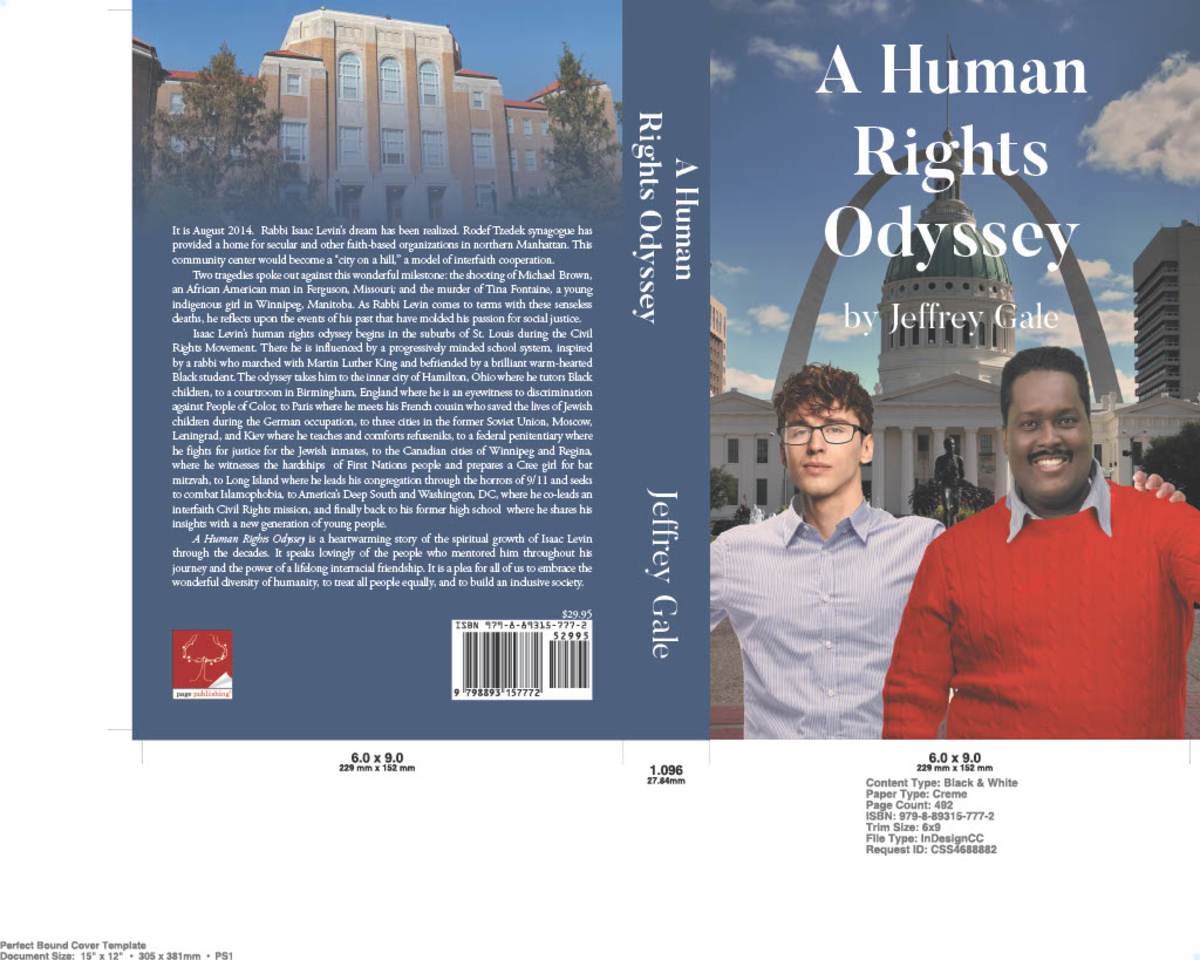
One critic of A Human Rights Odyssey noted that I did something similar. Indeed, she made an astute observation. Each of the fourteen chapters had one or more opening quotes. Many of the chapters delivered a singular message. Part II, for instance, is divided into five chapters. In the first of the five chapters (Chapter 6), Rabbi Levin visits a traffic court in Birmingham, England. He observes that heavy fines are handed out to people of color and relatively uneducated people. He writes "a letter from a Birmingham courtroom to his friend Jeremy in the United States. In the second of the five chapters (Chapter 7) , Rabbi Levin visits the former Soviet Union and witnesses firsthand the plight of Russian refuseniks. In the third of the five chapters (Chapter 8), Rabbi Levin stands up for the religious rights of Jewish inmates in Michigan. In the fourth of the five chapters (Chapter 9), Rabbi Levin tutors a Cree girl for her bat mitzvah and contrast his experience with the tragic death of Tina Fontaine and the general plight of Aboriginal people in Canada. In the last of the five chapters, Rabbi Levin focuses on the tragedy of 9/11 and the death of his closest friend, Jeremy, and still tries to bring comfort to family directly affected by the collapse of the Twin Towers and to his shaken congregation.
Indeed, there is a self-contained homily in each of these chapters that might remind older readers of The Loretta Young Show. However, there is little resemblance between Loretta Young and me and we operated in totally different time periods.