Although all three of my novels are classified as historical fiction, the last two differ from the first one. In The Ballad of East and West, I did not write the history of the Refusenik era into the body of the text. I falsely assumed that most people knew the history anyway. Hence, my editor persuaded me to write a brief history as an introduction to the novel.
After the publication of The Ballad of East and West, I read John Jakes' epic novel, North and South. I was deeply impressed with how he wrote Mexican and Civil War histories into the grandiose story that he told. Some critics claimed that the trilogy reads like an American history textbook. I tried the same approach with both The Secret of Redemption and A Human Rights Odyssey. While it would be pretentious to claim the same level of success, the approach added historical gravitas to my storytelling. Some critics pointed out that the dense history made my works didactic and slowed down the flow of the plot.
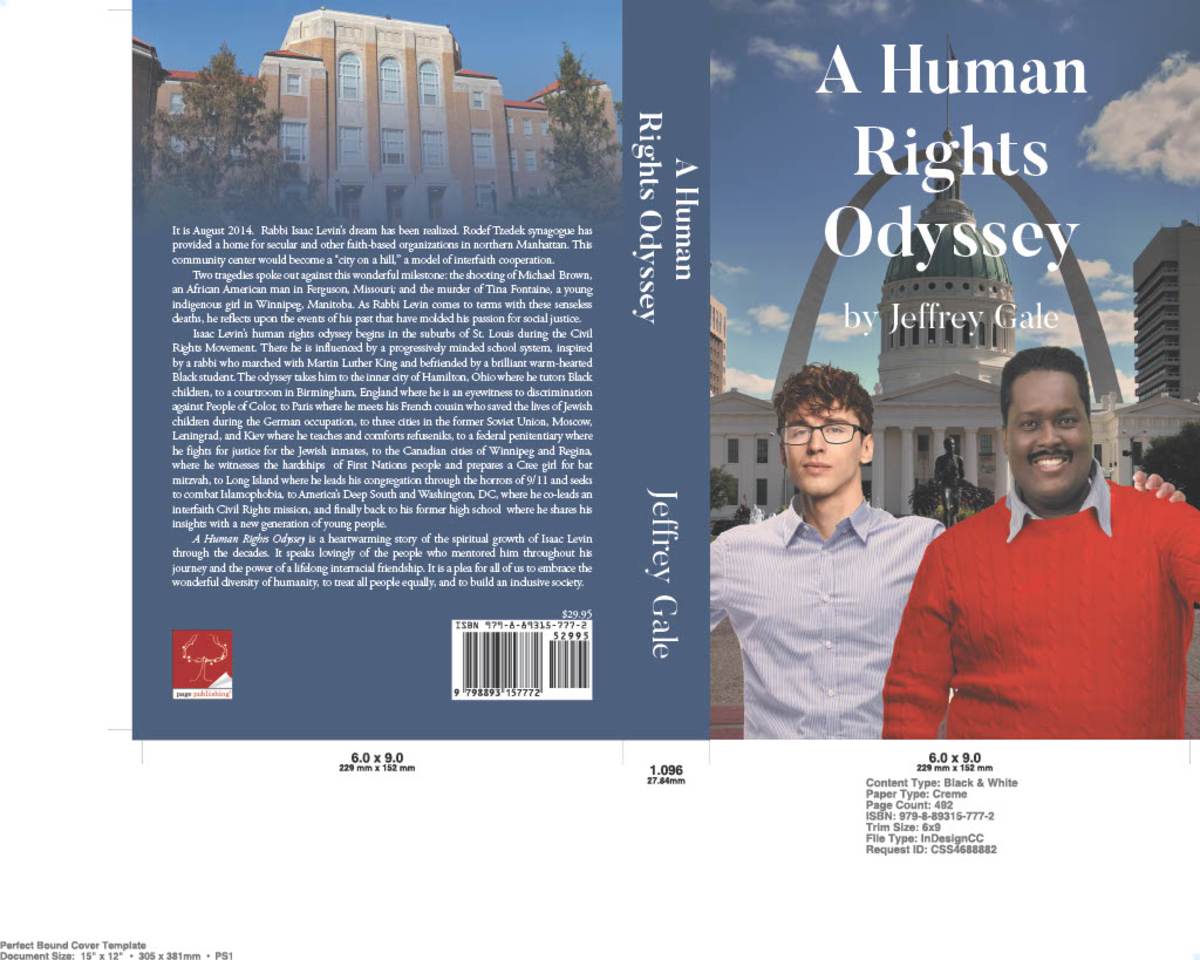
If you read the end of Chapter 5 in Part One, Isaac Levin and Jeremy Williams are saying goodbye as they depart for their respective universities. It would be the last time that they would live in the same city during their thirty year friendship. When I wrote this passage, I had in mind the parting of the protagonists of North and South, George Hazzard and Orry Main. Both novels focus on friendships of individuals from vastly different backgrounds (White Jew and Black Baptist and Northern industrialist and Southern plantation owner respectively.) Like Isaac and Jeremy, George and Orry said their goodbyes at the end of Book One, as the Civil War broke out and they would be expected to serve their respective sides. While George and Orry wondered if the Civil War could have been avoided, Isaac and Jeremy wondered if race relations would ever improve in their city or in the country in general. As the Isaac/Jeremy scene ended on the footsteps of University City High School, I imagined the musical theme from North and South swelling in the background!